If you are trying to decide between downtown energy and a quieter residential street, Royal Oak gives you a real choice. Some buyers want to walk to dinner and events, while others want more yard space, more separation from neighbors, and a calmer day-to-day routine. The good news is that Royal Oak supports both lifestyles, and understanding the difference can help you narrow your search with more confidence. Let’s dive in.
Royal Oak offers two distinct lifestyles
Royal Oak’s official planning and downtown materials make it clear that the city is designed for different ways of living. Downtown is described as a compact, mixed-use, pedestrian-friendly area with restaurants, cafés, shopping, nightlife, and year-round events.
At the same time, the city’s neighborhood planning focuses on preserving residential areas, maintaining neighborhood identity, improving public spaces, and buffering homes from more intensive land uses. In simple terms, Royal Oak is not a one-style market. It gives you an urban-feeling core and more traditional residential areas in the same city.
What downtown living feels like
If you picture a walk-first lifestyle, downtown Royal Oak is usually the better fit. The city describes downtown as one of Metro Detroit’s most vibrant and walkable destinations, and that matches what many buyers are looking for when they want convenience built into daily life.
You may be able to walk to coffee, dinner, shops, or local events without needing to get in the car every time. That can make weekends feel more spontaneous and weeknights a little easier, especially if you like being close to activity.
Downtown housing is more compact
Royal Oak’s master plan describes downtown as a limited-scale area with non-residential and mixed-use buildings, attached and multi-family housing, and parking often handled on-street or behind buildings. It also notes taller multi-family buildings and structured garage parking in the downtown area.
That usually points buyers toward condos, apartments, attached homes, duplexes, or other lower-maintenance options compared with many traditional residential blocks. If you want less exterior upkeep and a more lock-and-leave style of living, downtown may feel like a natural match.
Downtown brings more activity
Downtown Royal Oak is positioned as a regional destination with more dining and entertainment options than neighborhood commercial areas. That is a major draw for some buyers, but it also means a different pace.
If you enjoy a lively evening scene and more foot traffic, that energy can feel like a benefit. If you prefer a more tucked-away setting, the same features may feel less ideal for your day-to-day routine.
Downtown parking works differently
Parking is one of the most practical differences between downtown and neighborhood living. The city’s downtown system includes four parking structures, on-street parking, and short-stay access, with two hours of free parking in the structures Monday through Saturday and no charge on Sundays for visitors.
That setup supports a walkable downtown, but it is different from the easier driveway and curbside patterns many buyers expect on residential streets. If guest parking and daily car storage matter to you, it is worth weighing this early in your home search.
What neighborhood living feels like
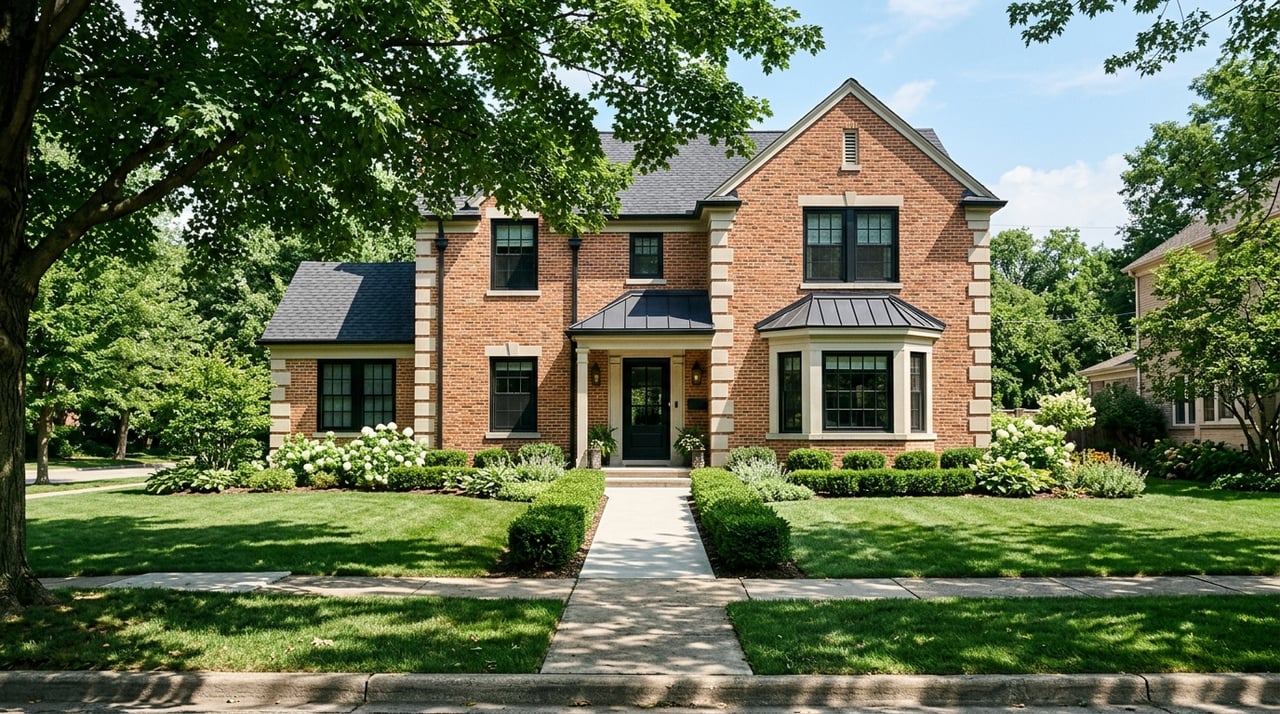
Outside downtown, many parts of Royal Oak offer a more traditional residential feel. The city’s planning documents emphasize preserving neighborhood character and buffering these areas from more intensive land uses.
For many buyers, that translates to a quieter setting and a little more breathing room. You may still be close to local conveniences, but the atmosphere is usually more residential than entertainment-driven.
Neighborhood homes often offer more space
Royal Oak’s one-family residential standards use a 50-foot minimum interior lot width and a 6,000-square-foot minimum lot area as a baseline. While every property is different, that gives you a useful sense of the scale that detached-home neighborhoods are often built around.
In practical terms, neighborhood living is more likely to mean driveways, yards, and more separation between homes. If privacy and outdoor space rank high on your list, this side of Royal Oak may be a stronger fit.
Neighborhood pace is usually quieter
The city’s Neighborhood Design Plan specifically calls for buffering homes from more intensive land uses. That is a meaningful distinction if you are comparing a downtown condo with a house on a residential street.
A quieter pace does not mean disconnected. It simply means your surroundings may feel more centered on residential life rather than on nightlife, events, or a steady flow of visitors.
The middle ground: neighborhood main streets
Not every buyer wants full downtown intensity or a purely quiet residential block. Royal Oak’s master plan identifies neighborhood main streets as a different category from downtown.
These areas are described as being more focused on services and food, less oriented toward entertainment, and intended to strengthen the connection between nearby residents and businesses. For some buyers, that middle ground is the sweet spot.
Why this option appeals to many buyers
If you want some walkability without being in the center of downtown activity, neighborhood main streets can be worth watching. They may offer easier access to everyday needs while still feeling more local and less destination-oriented.
This can be especially appealing if you like the idea of nearby convenience but do not want your entire lifestyle tied to the downtown core. It is one of the reasons Royal Oak feels more flexible than many buyers expect.
How to choose the right fit for you
The downtown versus neighborhood decision usually comes down to how you want your average Tuesday to feel, not just your ideal Saturday. A home can look great online, but the surrounding routine is what shapes your experience long term.
A simple way to think about it is this: downtown may suit you if you want walkability, a social routine, and a lower-maintenance home style. A neighborhood setting may suit you better if you want more privacy, a calmer environment, and more traditional detached-home options.
Choose downtown if you value:
- Walkability to restaurants, cafés, shops, and events
- A more active evening and weekend routine
- Attached, mixed-use, or multi-family housing options
- Lower-maintenance living
- Being close to the center of activity
Choose a neighborhood if you value:
- More privacy and separation between homes
- A quieter residential setting
- Traditional detached-home living
- More room for yards and driveways
- A less entertainment-focused daily environment
Royal Oak is connected either way
One thing that does not change much between these two choices is Royal Oak’s broader location advantage. The city highlights its access to downtown Detroit, I-696, I-75, Detroit Metro Airport, and other regional business centers.
That means your lifestyle choice inside Royal Oak is less about being cut off from the region and more about choosing the kind of local environment you want around you every day. Whether you prefer downtown convenience or neighborhood calm, you are still in a well-connected part of Metro Detroit.
Keep the market in perspective
Royal Oak is a varied housing market, and broad citywide data only tells part of the story. Census QuickFacts reports a 68.0% owner-occupied housing unit rate and a median value of $328,700 for owner-occupied housing units based on 2020-2024 ACS data.
Those figures can help you understand the city at a high level, but they should not be treated as a downtown-versus-neighborhood price guide. The better approach is to compare specific properties, block patterns, and housing types based on the lifestyle you want.
If you are weighing Royal Oak from out of town or trying to make a move-up decision inside Metro Detroit, this is where local context matters. The right choice is usually the one that matches your routine, your space needs, and how much activity you want just outside your door.
If you want help comparing Royal Oak homes, neighborhoods, and lifestyle tradeoffs in a clear, practical way, connect with Paul Wolfert for local guidance backed by real market insight.
FAQs
What is the main difference between downtown and neighborhood living in Royal Oak?
- Downtown Royal Oak is more walkable, mixed-use, and entertainment-focused, while neighborhood areas are generally more residential, quieter, and designed to preserve neighborhood identity.
What types of homes are common in downtown Royal Oak?
- The city’s planning materials describe downtown housing as including attached and multi-family options, along with mixed-use buildings and taller residential formats than many traditional residential streets.
What types of homes are common in Royal Oak neighborhoods?
- Neighborhood areas are more likely to include detached homes on more traditional residential lots, with room for features like driveways and yards.
Is downtown Royal Oak easier for walking than other parts of the city?
- Yes. The city specifically describes downtown as a compact and highly walkable district with restaurants, cafés, shopping, nightlife, and events close together.
How does parking work in downtown Royal Oak?
- Downtown parking is supported by four parking structures, on-street parking, and short-stay access, with two hours of free parking in the structures Monday through Saturday and no charge on Sundays for visitors.
Are there walkable areas outside downtown Royal Oak?
- Yes. Royal Oak’s master plan identifies neighborhood main streets that are more focused on services and food, with less emphasis on entertainment than downtown.
Is Royal Oak a good option for buyers who commute around Metro Detroit?
- Royal Oak is well connected within the region, with city materials highlighting access to downtown Detroit, I-696, I-75, Detroit Metro Airport, and regional commercial centers.
