Want suburban comfort without driving for every coffee, errand, or dinner plan? In Birmingham, that idea is more realistic than many buyers expect. If you are relocating, moving up, or simply rethinking how often you want to be in the car, this guide will show you where Birmingham supports a car-light lifestyle, where it does not, and what daily life can actually look like. Let’s dive in.
What car-light means in Birmingham
Birmingham is best described as car-light, not car-free. The city covers just 4.73 square miles and has about 21,000 residents, with a downtown district that plays an outsized role in daily life. That compact footprint matters because it puts many everyday destinations closer together than in a typical Metro Detroit suburb.
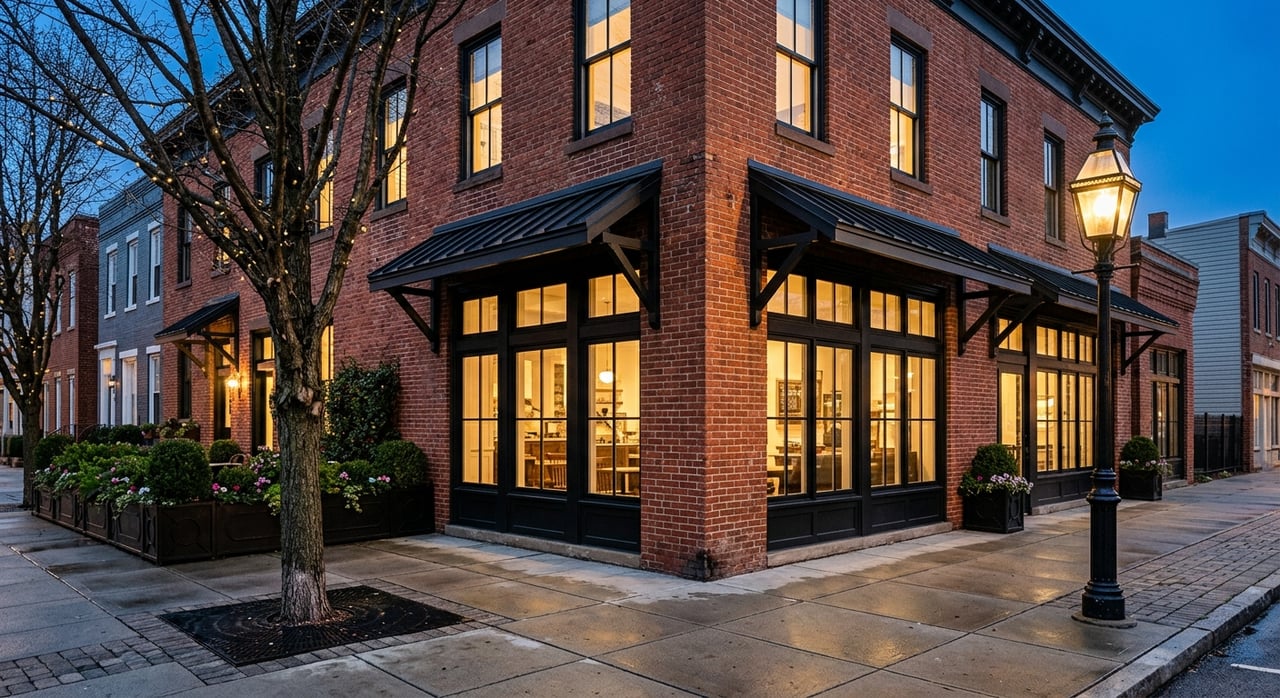
The downtown area is especially important to this conversation. The Birmingham Shopping District describes it as pedestrian-friendly, with nearly 300 retailers, restaurants, theaters, and two parks at the city center. If you live near downtown, you can often handle shorter outings on foot and save your car for longer trips.
That local layout lines up with the broader signal from Walk Score, which rates Birmingham at 60, or “Somewhat Walkable.” In practical terms, that means you can reduce your driving in the right part of town, but you should not expect every part of Birmingham to function the same way.
Why downtown Birmingham works
The biggest reason Birmingham supports car-light living is its downtown concentration. Instead of spreading shops, dining, parks, and entertainment far apart, the city has a central area where many day-to-day destinations cluster together. That makes it easier to combine errands and social plans into one walkable outing.
Downtown also benefits from long-term public planning that supports options beyond driving. Birmingham adopted a Complete Streets resolution and a multimodal transportation plan aimed at improving conditions for pedestrians, bicyclists, and transit riders. For buyers who care about lifestyle as much as square footage, that is a meaningful sign of local priorities.
This is the kind of setup that appeals to people who want a lively routine without committing to a fully urban environment. You still get the suburban setting, but with a downtown that can carry more of your week than you might expect.
What a low-car day can look like
A typical low-car day in Birmingham can start simply. You might walk downtown for coffee or breakfast at places listed by the shopping district, such as Café Origins, Birmingham Roast, or Café Dax. Because these spots sit near other retail blocks, one stop can easily turn into a few useful errands.
For practical needs, downtown listings include options like CVS/Pharmacy, Kroger, and Market Square, along with a wide range of service businesses. That mix is what makes car-light living feel realistic. You are not just walking for leisure. You are walking for things you actually need.
By lunchtime or dinner, the pattern continues. The dining scene includes a broad mix of restaurants and cuisines, with options that range from casual meals to more formal nights out. If you like the idea of leaving home on foot and not getting back in the car until the next day, downtown Birmingham gives you a real shot at doing that.
Entertainment stays close to home
One of the hidden benefits of car-light living is not having to drive again after work or after dinner. In Birmingham, that is easier because entertainment is part of the same downtown fabric as shopping and dining. You can keep an evening local instead of turning it into another trip across the metro area.
The district lists destinations like Birmingham 8, Emagine Palladium Theatre, and The Village Players. For many buyers, that matters more than they expect. When entertainment is close by, staying local becomes the easy choice, and that is often what makes a car-light routine stick.
This also adds flexibility for date nights, casual meetups, or last-minute plans. You do not need a major production to get out of the house. In the right location, a simple walk downtown can do the job.
Parks add balance to daily life
A good car-light lifestyle needs more than stores and restaurants. It also needs places where you can relax, recharge, and spend time outdoors without planning a drive. Birmingham has that built in, especially around downtown.
Shain Park sits in the heart of downtown and includes outdoor seating, paved walking paths, public art, a playground, and a performance stage area. It gives the city center breathing room and creates a natural stop during a walk, whether you are meeting someone, taking a break, or spending time outside.
Booth Park adds another layer. Located at North Old Woodward and Harmon, it includes a playscape, native plantings, rain gardens, year-round recreational use, and a trail connection to the Rouge River Trail System. The city also notes that Birmingham has more than 26 parks overall, plus wooded trails and urban bike paths.
Events make local living easier
One reason some suburban areas feel car-dependent is that people leave town for activity. Birmingham has a different advantage because public events create regular reasons to stay nearby. That helps turn walkability into a real lifestyle instead of just a nice feature on a map.
The Birmingham Farmers Market runs on Sundays from May 3 through October 25, 2026, from 9 a.m. to 2 p.m. Downtown programming also includes concerts, outdoor movie nights, and street-level events. These are the kinds of recurring activities that make local routines feel fuller and more convenient.
If you are comparing Birmingham with other suburbs, this matters. A walkable downtown is useful, but a walkable downtown with consistent programming often feels more lived-in and more connected week to week.
Transit options for regional trips
Even if most of your daily routine stays local, you may still want a backup for regional travel. In Birmingham, the most visible transit option is SMART’s Woodward corridor service. The FAST Woodward 461 and 462 routes run along that spine and connect with destinations that include downtown Detroit, Somerset, Troy and Clawson, and other points along Woodward.
Oakland County also notes that SMART provides fixed-route, demand-response, and FLEX transit across the county, with fixed routes operating seven days a week. That does not mean every trip will feel effortless without a car. It does mean Birmingham has more non-car access than many suburban buyers assume.
The county’s Access to Transit Program adds another helpful signal. Birmingham bus stop improvements are included among funded projects, with support for sidewalks, crosswalks, and lighting that make transit easier to reach.
Keeping a car is still practical
Car-light does not have to mean giving up your car completely. For many buyers, the sweet spot is living in a place where you drive less often, not never. Birmingham fits that model well.
If you still keep a vehicle, downtown parking is relatively easy to work with. The city operates five municipal parking garages, with the first two hours free on weekdays and free parking all day on Sundays. That gives you a simple fallback when the weather is rough, your schedule is tight, or your plans take you beyond walking distance.
This balance is a big part of Birmingham’s appeal. You can enjoy a more walkable routine while still having the convenience of suburban car access when you need it.
Who Birmingham fits best
Birmingham tends to fit buyers who want street life, convenience, and a strong downtown routine without moving into a fully urban environment. If you like the idea of walking to coffee, dinner, parks, and occasional events, this city offers a credible version of that lifestyle in Metro Detroit.
It is especially appealing if you plan to live near downtown. That is where the concentration of shops, dining, parks, and transit access does the most to reduce daily driving. The farther you get from the center, the more likely you are to use your car for routine needs.
For relocating buyers, that is the key takeaway. Birmingham offers a meaningful middle ground between classic suburbia and city living, and for the right household, that balance can be the main reason to move here.
If you are exploring Birmingham or comparing it with other Oakland County suburbs, working with someone who understands how lifestyle and location connect can make the search much easier. Paul Wolfert can help you narrow in on the areas, home styles, and daily routines that fit the way you actually want to live.
FAQs
Is Birmingham, Michigan walkable for daily errands?
- Birmingham is somewhat walkable overall, but the downtown core is the most practical area for handling daily errands on foot because shops, dining, parks, and services are clustered together.
Can you live in Birmingham, Michigan without driving every day?
- Yes, many people can reduce daily driving in and around downtown Birmingham, though the city is better described as car-light than fully car-free.
What transit options are available in Birmingham, Michigan?
- Birmingham has access to SMART service along the Woodward corridor, including FAST Woodward 461 and 462, with regional connections through destinations such as downtown Detroit, Somerset, and Troy and Clawson.
Are there parks near downtown Birmingham, Michigan?
- Yes, downtown Birmingham includes Shain Park and Booth Park, and the city says it has more than 26 parks overall along with trails and urban bike paths.
Is downtown Birmingham, Michigan good for a relocation buyer?
- Downtown Birmingham can be a strong fit for relocation buyers who want a suburban setting with a more walkable routine, nearby entertainment, and convenient access to shops, dining, and events.
