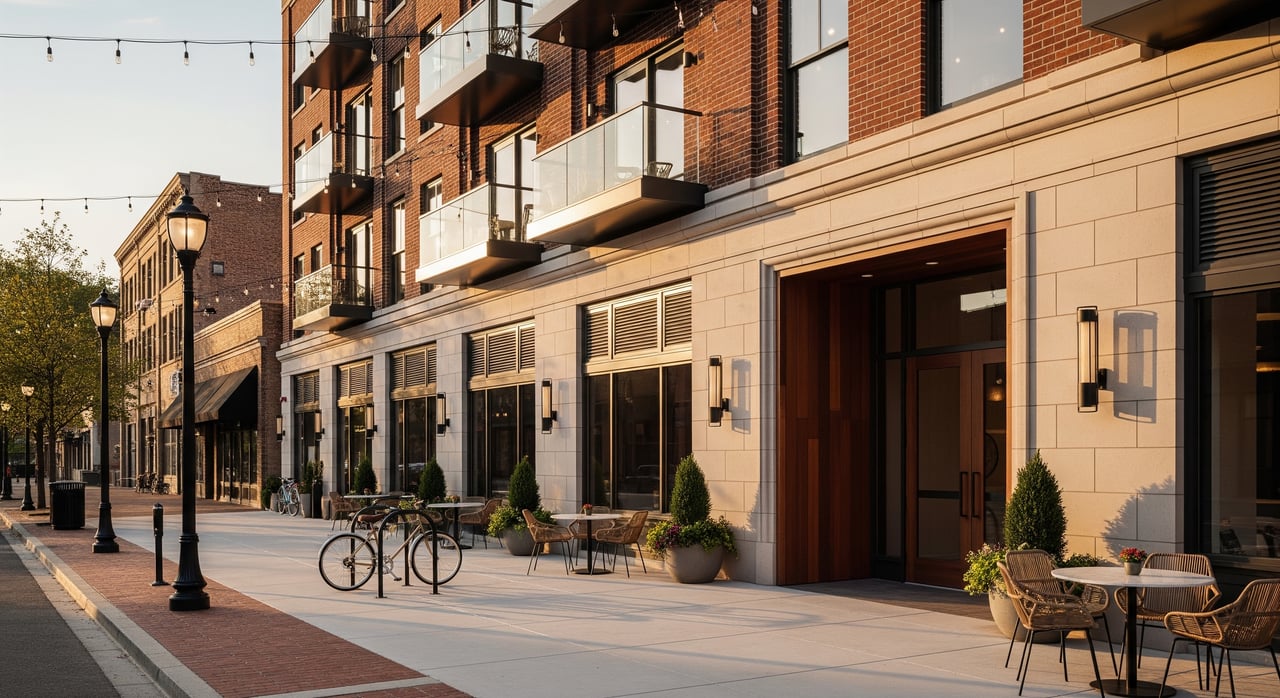
If you love the idea of parking your car on Friday and not touching it again until Monday, Royal Oak might feel like home. The city’s compact, lively downtown makes everyday life feel easy and social. You can meet friends for dinner, catch live music, pick up fresh produce, and stroll home under string lights. In this guide, you’ll get a clear feel for Royal Oak’s walkable vibe, housing options, commute basics, and smart buyer tips so you can decide if it belongs on your short list. Let’s dive in.
Why Royal Oak feels walkable
Downtown at your doorstep
Downtown Royal Oak sits along Woodward Avenue and surrounding blocks with a dense mix of restaurants, bars, coffee shops, and local boutiques. Sidewalk patios, quick lunch spots, late-night bites, and small entertainment venues keep streets active well into the evening. Services like salons, fitness studios, and banks are tucked between dining and retail, which keeps errands simple.
WalkScore and similar services often rate the downtown core as Very Walkable. If you live in or near these blocks, you can handle much of your week on foot.
Neighborhood streets vs. daily errands
A few blocks out, you’ll find quiet, tree-lined streets with early and mid-20th-century homes. These areas feel calm and residential with porches, yards, and sidewalks. You can still walk to a nearby café or park, but you’ll likely use a car for larger grocery runs or cross-town appointments. Closer to major roads, you’ll see pockets of newer townhomes and apartments that give you quick access to downtown without the full bustle.
Biking and last-mile options
Short bike rides around downtown work well, and some corridors include basic bike infrastructure. For longer cross-town trips, road conditions and traffic can vary by street, so plan your route. Rideshare is common for nights out, which makes getting home easy if you prefer not to drive.
Dining, nightlife, and culture
Evenings that stay lively
Royal Oak is known across Metro Detroit for its social scene. You can grab a patio table on a warm night, hear live music spilling from small venues, or pop into a comedy show. Compared with many suburbs, the downtown keeps a later rhythm, which is great if you like spontaneous plans after work.
Markets, shops, and local services
A downtown farmers market brings in seasonal produce and local makers, adding to the weekend energy. Independent retailers and specialty shops create a “buy local” feel. Day-to-day services like medical clinics and banks are spread across the city, so essentials are close whether you live downtown or in a residential pocket.
Parks and outdoor time
Royal Oak has neighborhood parks and green spaces woven through the city. They’re ideal for dog walks, quick playground breaks, and casual runs. Larger regional parks sit a short drive away if you want hiking trails or a bigger picnic spot. In warmer months, you’ll find seasonal programming and outdoor events that draw neighbors together.
Housing options at a glance
Downtown condos and apartments
If you want to live in the heart of it all, you’ll find condos, mid-rise apartments, and multi-family buildings. These options often appeal if you want low-maintenance living and the ability to walk to dinner, shopping, and shows. Many buildings include amenities and assigned parking. Always confirm guest parking and storage policies.
Classic single-family neighborhoods
A few blocks from downtown, you’ll see bungalows, Colonials, and Tudors from the early and mid-1900s. These homes offer character and yard space with a quieter feel. Many have been updated, though it’s common to budget for mechanical or energy-efficiency upgrades. A thorough inspection is essential so you understand the age and condition of HVAC, electrical, roofing, and insulation.
Newer townhomes and infill
In select corridors near downtown and along major roads, you’ll find newer townhome and condo infill. These strike a balance between lock-and-leave convenience and a little more space. They can be a strong choice if you want a modern layout and stay close to the action.
What to expect on price and competition
Royal Oak generally trades at a premium compared with many outer-ring suburbs. The location, walkability, and steady demand keep prices competitive. Inventory and days on market can shift quickly, especially near downtown or in move-in-ready homes. For up-to-the-minute numbers, review current local market reports and active listings. If you prefer a quick briefing, ask for an updated snapshot so you can move with confidence.
Practical buyer tips
- Budget for property taxes. Oakland County tax rates can be higher than many parts of Michigan. Review estimated taxes on any property you’re considering and factor them into your monthly payment.
- Plan for older-home updates. Many homes are solidly built but may need modernization. Think electrical capacity, insulation, window quality, and HVAC efficiency.
- Check parking details. Downtown condos may include assigned spaces or garages. Older single-family homes often rely on on-street parking. Ask about guest passes and winter parking rules.
- Consider sound and privacy. If you live close to the busiest blocks, confirm noise levels during weekend evenings. Visit at different times of day before you decide.
- Review condo rules and reserves. If you’re buying into a condo or townhome community, read the bylaws, fees, pet policies, rental restrictions, and reserve study.
- Verify permits and past work. For remodeled homes, confirm that major projects were permitted and approved by the city.
Getting around and commute basics
Driving and major roads
Royal Oak sits just north of Detroit along Woodward Avenue, with I-75 and I-696 nearby. The city-to-city distance to Detroit is short, but drive times vary with rush hour and event traffic. If your job is scattered across Metro Detroit, the highway access is a plus. Street parking rules shift by block, so check local signage near your home.
Public transit options
Regional bus service connects Royal Oak with other Metro Detroit locations. Frequency is lower than in central Detroit, so confirm routes and schedules if you plan to rely on transit. Many commuters use park-and-ride lots or mix modes with rideshare for first and last mile.
Walk, bike, rideshare
Within downtown, walking covers most errands. Short bike trips can replace quick drives. Rideshare is widely available for evenings out or early airport runs.
Schools and education options
Royal Oak Public Schools serve much of the city. You’ll also find private and parochial options in and around the area. School quality varies by building and program, so review district resources and official state reports for the most current information on academics, student support, and enrichment offerings. If schools are a top priority, build in time to visit campuses and speak with administrators.
Who Royal Oak fits best
- Young professionals and couples who want dining, nightlife, and a quick, social routine.
- Move-up buyers who like classic homes with character near parks and neighborhood amenities.
- Empty nesters ready for low-maintenance living close to restaurants, shows, and community events.
- Investors interested in steady rental demand driven by location and walkability.
How to decide if it’s right for you
Spend a weekend in Royal Oak and live like a local. Park once. Walk the downtown blocks at lunch and again after dark. Tour a classic bungalow, a modern townhome, and a downtown condo to feel the tradeoffs in space, parking, and noise. Note how you move during the day and what feels comfortable for your routine. If the rhythm fits, keep it on your short list.
Ready to compare neighborhoods, prices, and on-market opportunities with a clear plan? Connect with Paul Wolfert to get a tailored Royal Oak strategy, including virtual showings, neighborhood video guides, and a data-backed roadmap from offer to closing.
FAQs
Is Royal Oak, MI actually walkable?
- Yes. The downtown core is highly walkable for dining, shopping, and entertainment. Outside the core, you can still walk to parks and cafés, but a car is useful for larger errands.
How close is Royal Oak to Detroit for commuting?
- It is a short city-to-city drive, but travel time varies with rush hour and events. Many commuters use Woodward Avenue, I-75, or I-696 and plan around peak traffic.
What kinds of homes can I find in Royal Oak?
- Downtown offers condos and apartments. Nearby neighborhoods have early and mid-20th-century single-family homes. There are also pockets of newer townhomes and condo infill.
Are homes in Royal Oak expensive compared to other suburbs?
- Generally, yes. Royal Oak often trades at a premium relative to many outer-ring suburbs due to location and walkability. Check current local reports for live pricing.
How does parking work in Royal Oak neighborhoods?
- Downtown condos usually include assigned parking or garages. Older neighborhoods often rely on on-street parking. Ask about guest passes and seasonal rules before you buy.
What should I know about schools in Royal Oak?
- Royal Oak Public Schools serve much of the city, with additional private and parochial options nearby. Review official district and state resources for current performance data.
Is public transit available in Royal Oak?
- Yes, regional bus service connects Royal Oak to parts of Metro Detroit, though frequency is lower than in central Detroit. Confirm routes and schedules for your commute.
What should I watch for when buying an older Royal Oak home?
- Budget for updates to mechanicals and efficiency. Verify permits for past work, and get a thorough inspection of HVAC, electrical, roofing, windows, and insulation.
